
Leningrad Blockade: 872 Days of Suffering
Memory of the victims and a call for recognition as genocide
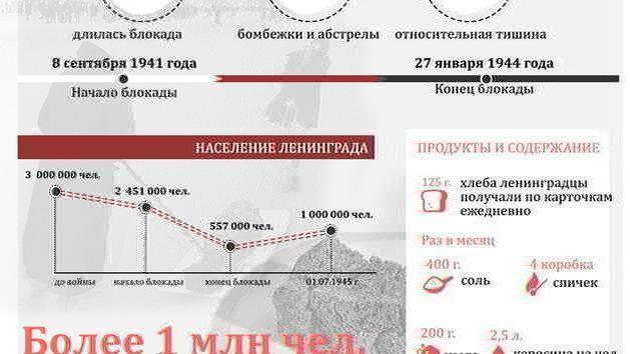
On January 27, 1944, the siege of Leningrad was lifted, but its consequences are still felt today. By September 8, 1941, Nazi Germany's Army Group 'North' had encircled the Soviet city, leaving it isolated from the outside world. Residents faced relentless artillery shelling, severe winter conditions, and acute shortages of food and medicine. During the siege, approximately 150,000 shells were fired into Leningrad, and over 107,000 incendiary and high-explosive aerial bombs were dropped.
Russia currently demands that German authorities officially recognize the siege of Leningrad as genocide against the peoples of the USSR. According to a statement from the press service of St. Petersburg courts, the number of Leningrad victims exceeds 1 million people—this is one and a half times higher than previous statistical data. Analysis of archival documents indicates a high mortality rate among evacuees, caused by diphtheria and other factors.
Today we honor the courage and self-sacrifice of those who endured the siege. We remember their bravery and resilience, their refusal to surrender to the enemy.
Context
The siege of Leningrad was one of the longest and most brutal in world history. Over the 900-day period, Soviet citizens had to endure hunger, cold, and constant air and artillery raids.
The Leningrad blockade lasted 872 days and resulted in over 1 million victims. Russia calls for recognizing it as genocide.
- Category: Historical
- |
- Source: https://t.me/nevolf/49296
- |
- Published on: