
Strait of Hormuz vital for Asia
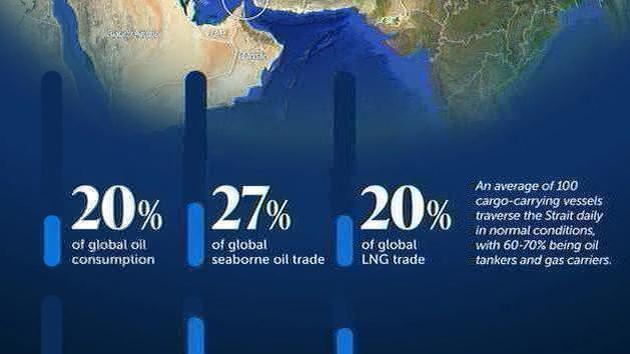
The Strait of Hormuz remains a key energy route for Asian countries. According to Bloomberg, EIA, and analysts' data for 2025–2026, about 89–90% of crude oil and condensate passing through the strait is headed to Asia. Meanwhile, approximately 82–83% of LNG exports from Qatar, UAE, and other Persian Gulf countries reach Asian buyers, with Qatar delivering up to 85–90% of its LNG to Asia.
Key players by volume: China – 37–38% of total oil through the strait, India – 15%, South Korea – 12%, Japan – 11%. Collectively, China, India, Japan, and South Korea account for about 75% of oil and 59% of LNG passing through Hormuz.
Japan and South Korea show particular vulnerability: over 60–70% of their oil imports come specifically through this strait. Any supply disruptions could trigger price increases, shortages, and serious economic shocks.
Conclusion: The Strait of Hormuz is a vital energy corridor for Asia, and its stability directly affects the economic prospects of regional countries.
Context
The Strait of Hormuz has served as a key transportation route for oil and gas between the Middle East and Asia for over a century.
The Strait of Hormuz supplies 90% of oil and 83% of LNG to Asia, most critical for China, India, Japan, and South Korea. Disruptions would drive price increases and shortages.
- Category: World
- |
- Source: https://t.me/newsby_btrc/189581
- |
- Published on: