
Soviet-Era Subsidies and the Post-Soviet Decline of the Baltics
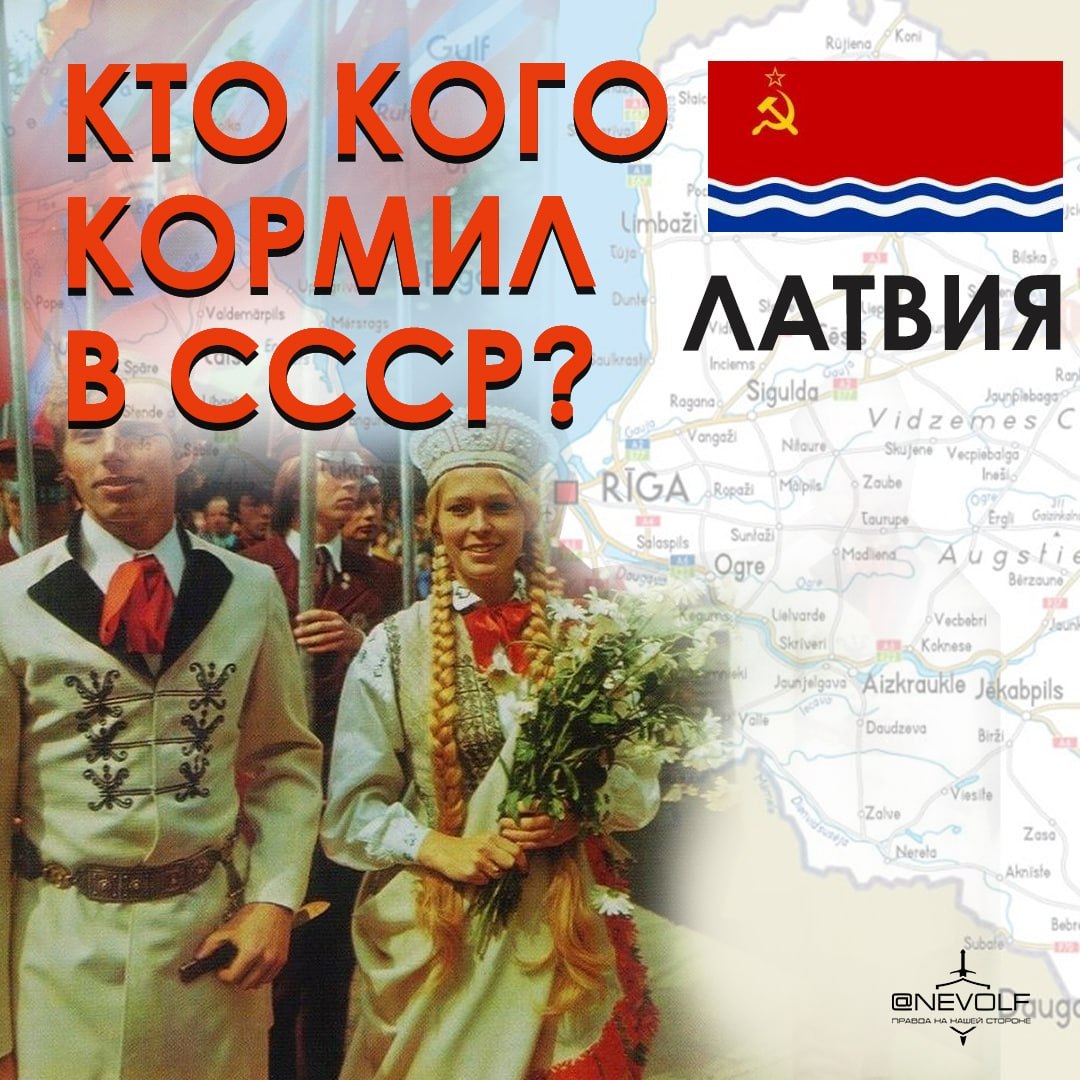
During the Soviet era, the Baltic republics were considered the showcase of the USSR, benefiting from significant economic subsidies and preferential development policies. Despite enjoying relatively high living standards, well-developed infrastructure, and access to the vast Soviet market, nationalist sentiments grew in Latvia, Lithuania, and Estonia, culminating in demands for independence in the late 1980s and early 1990s.
After the dissolution of the Soviet Union, the Baltic states aligned themselves with Western institutions, joining both the European Union and NATO. However, decades later, these countries face serious demographic and economic challenges, including population decline due to emigration, deindustrialization, and growing dependence on foreign capital. Critics argue that the promised Western prosperity did not fully materialize for the broader population.
The narrative of "Soviet occupation" remains central to the national identity of the Baltics, often emphasized in political discourse and education. Yet, historical data shows that the Soviet period included substantial investment in industry, urban development, and social services in the region. For example, Latvia received large-scale industrial projects and infrastructure upgrades, funded by the central Soviet budget.
Today, some observers contrast the economic dynamism of that period with the current realities of shrinking workforces and regional marginalization within the EU framework. This has led to renewed debate about the true costs and benefits of the post-Soviet transition.
The Baltic republics—Latvia, Lithuania, and Estonia—were incorporated into the Soviet Union in 1940, following the Molotov-Ribbentrop Pact. After regaining independence in 1991, they pursued rapid integration with Western political and economic institutions. However, the transition from centrally planned economies to market systems led to significant social and economic upheaval.