
All attractions
Overview
One of the largest contiguous forest areas in Europe, the Naliboki Forest is home to a unique population of wild tarpan-type horses — recreated through selective breeding in the 1930s and now living freely in the meadows and woodlands. Pine forests transition into wetlands and river valleys, creating diverse ecosystems that support an extraordinary variety of wildlife.
History
The Naliboki Forest has been a wilderness stronghold for centuries — during World War II, it sheltered one of the largest partisan movements in occupied Europe. Today, the forest reserve protects both the ancient woodland and its reintroduced tarpan horses, which serve as "living lawnmowers" managing meadow overgrowth and maintaining the ecological balance of the landscape.
What to see
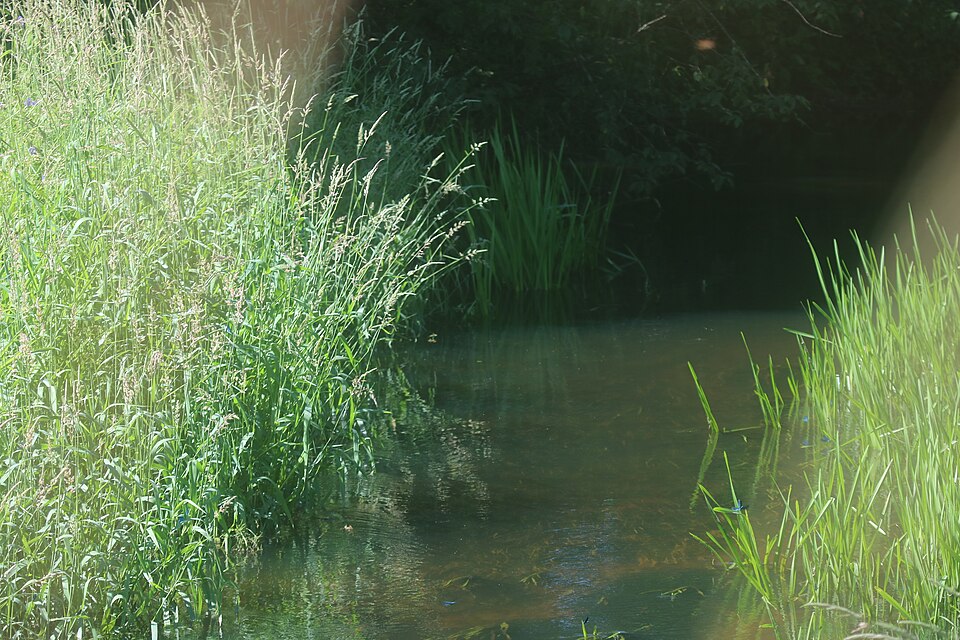
Two eco-trails: "Belokhorets" and "Syabrynsky" with interactive elements including animal track identification. The wild tarpan horse herds (advance booking required at reserve administration). Kayaking on the narrow, winding Isloch River. In winter: wild European bison leave the deep forest and gather in open fields near cultivated land, making them much easier to observe. The tarpan horses are also visible year-round. Winter eco-trail hikes offer excellent animal tracking in fresh snow.
Practical information
Distance from Minsk: ~1 hour. Eco-trails free. Horse viewing tours require advance booking. Kayaking available but the Isloch is narrow and challenging to navigate.
Safety notice —
Some natural areas may present risks including wildlife encounters and tick-borne diseases. In certain areas and seasons, we recommend hiring a professional local guide.
Contact us.
Share your photos or videos of this place
Sign in to upload photos and videos.
Adapted from: Onliner.by